Board Games: A Journey Through Time
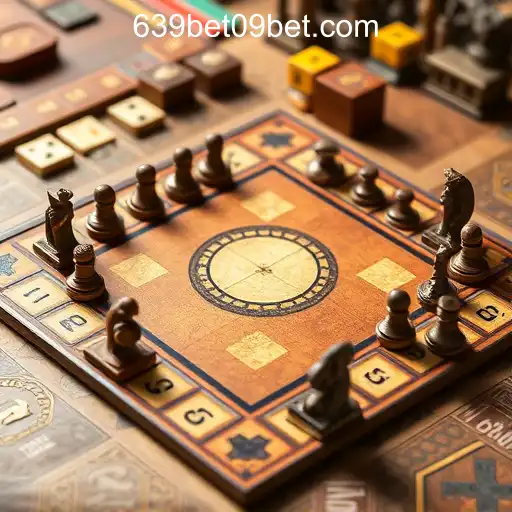
Board games have been a staple of entertainment for generations, offering a unique blend of strategy, skill, and chance that captivates players of all ages. From the ancient game of Senet in Egypt to modern classics like Settlers of Catan, the evolution of board games reflects changes in society, technology, and human interaction.
The Ancient Origins of Board Games
Board games date back thousands of years, with one of the earliest known examples being Senet, discovered in Egyptian tombs and played as far back as 3100 BCE. These early games often had spiritual or ritualistic significance, serving not only as entertainment but also as a means to explore the metaphysical world.
Another ancient game, the Royal Game of Ur, was played in Mesopotamia around 2600 BCE. Similar to modern backgammon, it involved moving pieces around a board based on dice rolls, a concept that remains popular in today's board games.
The Middle Ages and the Rise of Strategy Games
During the medieval period, games like Chess emerged, which emphasized strategic thinking and planning. Chess, believed to have originated in India around the 6th century, moved across Asia and Europe, evolving along the way. Its enduring appeal lies in the pure skill and strategy required to master its intricate moves.
Another significant development was the introduction of games based on Christian themes, reflective of the period's cultural and religious influences. Games like the Game of Goose, popular in the 16th century, combined elements of luck and morality, teaching lessons through gameplay.
The Industrial Revolution and Mass Production
The Industrial Revolution marked a turning point in board game history. The rise of mass production made games more accessible to the general public. The late 19th and early 20th centuries saw the emergence of many classic board games that are still beloved today.
Monopoly, launched in the early 20th century, is a prime example. Inspired by the land-grabbing games from the 1900s, it quickly became a household staple. Its endurance can be attributed to its reflection of capitalism and the opportunity it provides for players to engage in negotiations and strategic planning.
Modern Era: A Renaissance of Board Gaming
The late 20th century witnessed a resurgence in board gaming, fueled by the creation of the eurogame genre in Germany. Games like Settlers of Catan introduced innovative mechanics, such as resource management and cooperative gameplay, attracting a wide audience.
Today's board gaming scene is incredibly diverse, with games that cater to nearly every interest and demographic. The integration of themes ranging from science fiction and fantasy to historical and educational content ensures there is something for everyone.
The Digital Age: Board Games in the Digital Realm
While traditional board games continue to thrive, the advent of the digital age has led to a significant transformation in how they are played. Online platforms and mobile apps offer virtual renditions of classic games, allowing players to engage with friends and strangers worldwide.
639 BET 09 Oficial Slots Brasil #1 exemplifies how board games and digital slots are bridging the gap between traditional gaming and online entertainment, providing immersive experiences enhanced by technology.
The Future of Board Games
The future of board games is bright, with innovations continuing to emerge. Hybrid games, which combine physical board games with digital components, are gaining popularity, creating unique interactive experiences.
Moreover, the increasing focus on inclusive design and diverse themes is expanding the appeal of board games to broader audiences, ensuring that this timeless pastime will remain a beloved form of entertainment for years to come.